

The food industry requires extreme care, especially when it comes to hygiene. Food processing tanks and storage compartments use flush mounted pressure transmitters. These transmitters help monitor the pressure inside those processing units. There are many benefits of flush mounted pressure transmitters for the food industry.
Remember, food processing requires a specific pressure. Food material can start to deteriorate if the pressure suddenly drops or increases. Therefore, the use of pressure transmitters is mandatory in those units. In this article, I will discuss everything about flush mounted pressure transmitters. You’ll know why food industries heavily rely on them.
Overview of Flush Mounted Pressure Transmitters

Flush mounted pressure transducers and transmitters are the same term. They refer to pressure measurement devices.
These transmitters come with a flat diaphragm. This part (flat diaphragm) remains in contact with fluid during its usage. The sensing element present behind this diaphragm tracks the movement of this diaphragm. After monitoring, it sends an electrical signal to the control unit. After processing this signal, the exact pressure reading can be known.
The flush-mount pressure transducers are similar to non-flush in operation. However, their design is something that makes them unique. These transmitters don’t have protruding tips, unlike those found in non-flush mounted pressure transmitters. The working of these flush mounted pressure transmitters is more efficient and effective.
These transmitters are put into food processing tanks or pipelines. When the pressure in the system increases or decreases, it causes the diaphragm to bend. This bending of the diaphragm is minimal. There remains a small sensing element, generally piezoelectric crystals. This material detects this minor bending of the diaphragm.
It records this movement and sends an electrical signal to the control unit. After processing the electrical signal, the exact pressure reading shows up on the screen. What makes this type of transmitter stand out is its unique design (flat diaphragm). There are no crevices or gaps between the diaphragm and housing of these transmitters.
If there were any gaps, it could trap contaminants. However, no gap ensures that there won’t be any contaminant trapping. As a result, cleaning and using these flush mounted pressure transducers becomes easier. Due to its ease of cleaning and hygiene, this transmitter is widely used in the food industry.
Benefits of Flush Mounted Pressure Transmitters in the Food Industry
Let’s explore the key benefits of flush-mount pressure transducers in the food industry.
1- Hygienic Design

Flush-mount pressure transducers have a very hygienic design. Their diaphragm is flat, and there is no gap between the diaphragm and the housing of these transmitters. So, no contaminants or food particles accumulate in them. These transmitters remain level with the walls of the food processing tanks or pipelines.
The liquid or semi-solid food touches the flat surface of the diaphragm. Still, it cannot accumulate there because there are no gaps. You can easily clean these particles that touch the diaphragm with a single wipe. This ensures hygiene in the food processing units, compartments, or tanks. If there were a gap or crevice, food would have been stuck there, making cleaning difficult.
2- Accurate Pressure Measurement

Sometimes processed food can have thicker particles. Right? The standard pressure transmitters do not perform well when such thicker particles are present. Additionally, these thicker particles can accumulate in their gaps. This also lowers the detection of diaphragm movement, which impacts pressure measurement accuracy.
However, these flush-mount pressure transducers come with a flat diaphragm and no gaps. So food particles cannot sit there. This reduces the load on the diaphragm, and it only bends when pressure inside the tanks changes. This makes these pressure transducers more precise and accurate, even for thicker food particles. This is even more useful in sauce production, yogurt fermentation, and chocolate processing.
3- Ideal for Viscous & Sticky Food
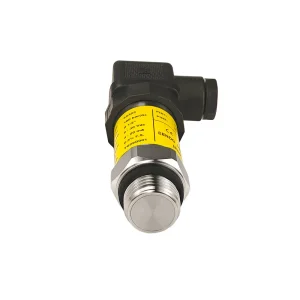
Regular pressure transmitters lag when it comes to processing viscous or sticky food. Examples of such foods include honey, molasses, peanut butter, and so on. The reason is that these food types can stick to the gap between the diaphragm and the housing of these transmitters.
So, these sticks or buildups affect the performance of the sensing element. However, flush mounted pressure transducers are unaffected even if food is viscous or sticky. The reason is that these transmitters don’t have gaps. The food only touches the flat surface of these transmitters. So the sensing element works properly and detects the diaphragm movement accurately.
4- No Dead Zones for Bacteria
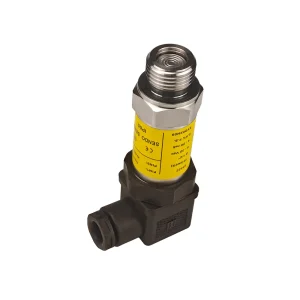
Those non-flush transmitters can cause dead zones for bacteria. When they are in use, food particles accumulate in the gaps. These particles become a dead zone for the bacteria. However, the flush mounted pressure transmitters don’t have any gaps.
Their diaphragm is flat and remains at the level of the tank walls. The food particles touch the flat surface, but don’t accumulate there. As a result, there is no space for bacteria to grow there. In this way, these transmitters ensure no dead zones for bacteria. This is even more important in the processing of dairy products.
5- Faster Product Changeovers
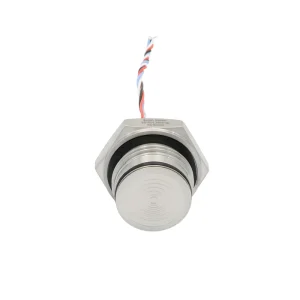
Flush mounted transmitters fasten the product changeovers. As I said earlier, these transmitters don’t have gaps or hidden cavities. So the fluid particles don’t have any gaps to hide. This makes the cleaning process very fast. So, the users can quickly change the products in the processing tanks after cleaning.
For example, you have processing tanks filled with dairy products. Once this processing is done, you can clean the tank and transmitter quickly. Once done, you can add another food type and start processing. If there are gaps in the transmitter, you will have to disassemble and clean the transmitter thoroughly.
It would have taken more time, making the changeover more time-consuming. Remember, these transmitters are also CIP/SIP friendly. Their cleaning and even detailed sterilizing is effortless. This also reduces their downtime, increasing food processing efficiency. Remember, CIP/SIP are generally done after specific usage cycles.
6- Durable in Harsh Conditions
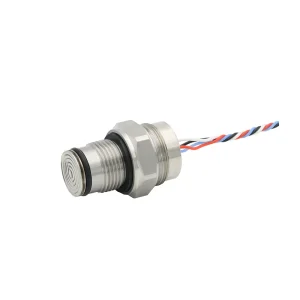
Flush-mount pressure transducers are very durable and long-lasting. They can easily withstand extreme temperatures. During food processing, the temperature of the tanks can get too high. Additionally, pressure inside the pipelines or tanks can also get too high. However, these pressure transmitters are designed to withstand these sudden changes.
Additionally, they are made with high-quality stainless steel material. This material is known for its corrosion resistance due to its over 10.5% chromium. It protects this transmitter and prevents its rusting. Even if these transmitters remain in liquid or semi-liquid food, they don’t get corrosive. All these factors contribute to their usage in the food sector.
Conclusion
Flush mounted pressure transducers are helpful due to their unique design. Generally, transmitters have protruding portions that create a gap. The presence of this gap makes them unfit for hygiene-sensitive industries, i.e., food.. However, these flush mounted transmitters have a flat diaphragm, which is a significant advantage.
There is no protruding part in these transmitters. The flat diaphragm touches the walls of the tank. The fluid or food particle can move around and touch this flat diaphragm. However, there is no gap for food particles to build up on these transmitters. So they are safer and easier to clean, which makes them preferred in the food industry.