

Ceramic pressure sensors are of utmost importance. They have been in use for years and are becoming increasingly popular. There are multiple advantages of ceramic pressure sensors. However, their excellent pressure handling capability and durability make them stand out.
Are you looking for a pressure sensor but don’t know which one to choose? If so, the ceramic pressure sensors can be the best bet for you. In this article, I’ll explain the key benefits that these ceramic piezoresistive pressure sensors offer. This piece will help you understand the value of these sensors. So, let’s get started!
Basic Rundown of Ceramic Pressure Sensors
Before discussing benefits, let’s first have a look at the basics of ceramic pressure sensors.
Ceramic pressure sensors consist of a diaphragm made of ceramic material. This material is sturdy, durable, and extremely rugged. Its usage in the diaphragm ensures that pressure sensors work best even at extreme pressures. Additionally, a stronger diaphragm improves the lifespan of these sensors.
Their basic working is similar to that of standard pressure sensors. They have a ceramic diaphragm, which plays a key role. This diaphragm undergoes bending when it feels a change in the pressure within the system. This bending is key in tracking the pressure. There is a special sensing element (piezoresistive material) present behind this diaphragm.
When the diaphragm bends, the sensing element detects this change. It then collects the bending intensity and converts it into electrical data. This data is then sent to the control unit for further processing. After processing, we get an exact pressure reading on the interface of the machine.
What makes this ceramic piezoresistive pressure sensor stand out is its ceramic diaphragm. This diaphragm is durable and very sensitive. It can bend even for a minimal amount of pressure change in the system. This makes these pressure sensors very precise and accurate. Additionally, the use of ceramic makes the diaphragm very rugged and durable.
Advantages of Ceramic Pressure Sensors
Do you have the basic idea of piezoresistive ceramic pressure sensors? The use of these sensors is increasing and becoming very popular. Let’s drill down and discuss the key benefits of these ceramic-based pressure sensors.
1- Excellent Strength

As I said earlier, ceramic material is rugged and robust. It does not deteriorate over time. Parts made of ceramic can last for years without showing any sign of wear. Using this material in the diaphragm of these sensors enhances their build quality and strength.
Interestingly, they increase strength but do not make them very rigid. So, when pressure inside the system changes, the diaphragm quickly bends. However, the stronger the diaphragm, the better it can withstand extreme pressure. Therefore, models like the Piezoresistive ceramic pressure sensor PS100 are popular for their reliability.
2- Chemical Resistance
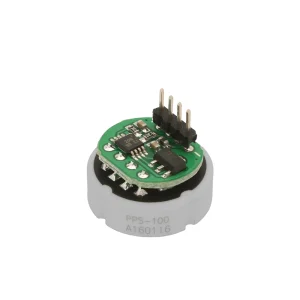
One of the prominent properties of ceramics is that it is inert. It means that this material does not react with anything. Alkalis, acids, and other corrosive materials cannot affect the stability of the ceramic.
When it is used in diaphragms, it also imparts this property to the diaphragm of the pressure sensor. As a result, diaphragms become more stable and chemically resistant. It can be used in systems dealing with harsh chemicals.
3- Good for Wet or Harsh Environments
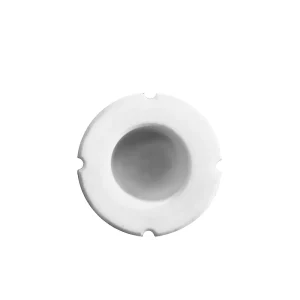
The ceramic material remains stable in harsh environments. Even when exposed to rain or moisture, this material still does not deteriorate. This moisture resistance makes ceramic highly stable and corrosion-resistant. Additionally, this material is non-porous and waterproof.
It prevents moisture from seeping into sensors. Moreover, the ceramic-made diaphragm of pressure sensors is also corrosion-resistant. Such pressure sensors can withstand wet conditions for long durations without corroding. Models like the ceramic diaphragm sensor PS100E01 maintain accurate readings even in moist environments.
4- High Sensitivity

As I said earlier, ceramic material is rigid and strong. It does not mean that it affects the flexibility of the diaphragm. The ceramic diaphragm is very sensitive to even small pressure changes in the system.
As a result, it responds to even very minor pressure fluctuations and bends. The sensing element detects this bending and records the electrical signals. In this way, piezoresistive ceramic pressure sensors are exact. Due to high sensitivity, these pressure sensors, especially the PS100E02 model, are ideal for medical devices.
5- Compact and Lightweight

As previously mentioned, ceramic material is very robust. Even a thin layer of this material can make the diaphragm strong and durable. So the ceramic pressure sensors have a thin diaphragm. Using less ceramic material makes the pressure sensor very lightweight.
Additionally, the ceramic pressure sensors are compact due to a thin diaphragm. As a result, these sensors can fit easily into small devices. Their lower weight also reduces the load on the structure where these sensors are mounted during use. Their installation is easy, even in tight spaces.
6- Non-Metallic & Safe
Ceramic piezoresistive pressure sensors are non-metallic. It means they don’t interfere with the signals or electrical data. As you know, the metal can corrode, especially when exposed to moisture. However, the ceramic material retains its shape in moist conditions. If ceramics were metallic, it would have affected the performance of the diaphragm.

The ceramic does not interfere with the current and does not ignite an electrical spark. In case it was metallic, the electrical sparks were inevitable. That would have caused serious challenges, such as fires or explosions. All ceramic-based sensors, including 4-20mA PS100E03, are 100% safe.
7- Cost-Effectiveness in the Long Run
The initial cost of the piezoresistive ceramic pressure sensors is very high. The reason is that ceramic is a premium and costly material. Its usage in the diaphragm of these sensors increases their cost. However, these pressure sensors prove to be cost-effective in the long run.
These ceramic diaphragms are very strong and durable. This makes these sensors last longer than standard pressure sensors. Additionally, ceramic pressure sensors do not require any regular maintenance. This reduces the overall operational cost and makes them cost-effective. Despite their high upfront cost, these sensors are popular in the market.
Conclusion
Ceramic piezoresistive pressure sensors have been in use for years. Their better performance, durability, and precise pressure measurement make them stand out. These sensors come with diaphragms made of ceramic materials.
Ceramic, being a rugged material, makes the diaphragm durable and stable. Therefore, the use of ceramic-based pressure sensors is becoming more popular. In this article, I’ve listed all the key advantages of ceramic pressure sensors. Understanding these benefits will help you decide whether to choose these pressure sensors.