

Oil is essential for lubricating engines, reducing friction, and ensuring smooth operation.
It is oil pressure that helps distribute it effectively across all the regions.
Insufficient oil pressure can lead to severe engine damage.
Oil pressure sensors come into the scene. This article explores the role of oil pressure sensors in accurately measuring and monitoring oil pressure.
What is an Oil Pressure Sensor?
An oil pressure sensor is a critical component in engines and lubrication systems, designed to measure and monitor oil pressure. It ensures that oil is adequately distributed to reduce friction and prevent engine wear. This pressure provides better mobility and friction to the components and avoids harm.
This sensor sends measured oil pressure data to the engine control unit and turns on the dashboard light as a warning if it is not up to mark. The goal of the sensor is to provide real-time feedback and highlight all the problems instantly.
How does an engine oil pressure sensor work?
In heavy machinery like excavators, oil pressure sensors are crucial for detecting low pressure and preventing engine overheating due to insufficient lubrication.
There are two mechanisms depending on the device. One is the resistive, and the other is the switching mechanism.
Let’s know both!
Resistive-Type Oil Pressure Sensor
Resistive types of oil pressure sensors utilize the following principles.
- They have a variable resistor (rheostat) that tests resistance and monitors changes based on oil pressure.
- When oil pressure decreases or increases, it moves a diaphragm or pressure-sensitive component inside the sensor. It alters the resistance.
- In resistive-type sensors, a diaphragm moves with oil pressure changes, adjusting a variable resistor. This change in resistance is converted into an electrical signal that indicates the pressure level.
Switch-Type Oil Pressure Sensor
This is a simple type of oil pressure sensor with the capability of on and off systems.
Switch-type sensors operate on a binary principle: when oil pressure drops below a set threshold, the switch closes, triggering a warning light. This simple mechanism is cost-effective and reliable for basic monitoring.
- A switch-type sensor has a pressure-sensitive diaphragm. It closes or opens an internal electrical circuit relying on pressure changes.
- If the oil pressure is low, the switch closes the circuit. It serves as a safety point and triggers the oil pressure warning light.
- When oil pressure returns to normal, the circuit opens and restores the normal activation. However, the warning light turns off.
Components of an oil pressure sensor
The oil pressure sensor has a few integral components. The list is here.
- Housing is the outer shield that protects the internal components and keeps them inside.
- Pressure Diaphragm is a flexible membrane that responds to changes in oil pressure.
- Resistor or Switch Mechanism is the signaling process. It transforms the pressure into electrical signals either through switching or resistance.
- An Electrical Connector is the tool that transmits the signal to the ECU or dashboard.
- Threaded Port: install the sensor into the engine block or oil passage.
Types of oil pressure sensors
An oil pressure sensor is typically helpful for various devices. But different types help operate and utilize it. Let’s take a few examples here.
Analog Oil Pressure Sensors
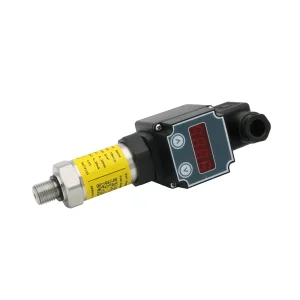
Analogue sensors provide a consistent and different range of readings for the gauges. You can find them in the older systems because of their redundancy in the advanced devices and tools.
Typical uses are in older vehicles or high-performance applications where precise pressure readings are needed.
Digital Oil Pressure Sensors
Digital oil pressure sensors are there for you. They have a better on/off signal system and provide advanced features. Like a binary system, they are common in modern vehicles that rely on indicator lights instead of pressure gauges.
Integrated Sensors
As the name suggests, these sensors are designed for an integrated system. For example, you combine the pressure sensing with temperature or other parameters. Two simultaneous sensing capabilities can help evaluate the system and respond faster.
Such sensors are ideal in intelligent engines with advanced monitoring systems.
Importance of the engine oil pressure sensor

Oil pressure sensors are crucial components of a system. They can help with the following features.
-
Engine protection
Without proper oil pressure, engine components can wear out. It is because of high friction that overheating and damage to the parts occur. Pressure Sensors predict all the failures and avoid them with the proper maintenance. Therefore, they are used in pressure sensor systems effectively.
-
System Monitoring
Is there any fault in your system? A press sensor gives instant updates and helps elevate confidence. You can treat your problems in the early stages and avoid long-term damage and replacement. Therefore, pressure sensors are worthy tools.
-
Fuel Efficiency
The Engine’s working depends on the components’ functionality and friction. Having a low friction means better suitability and efficiency. If the pressure is suitable, fuel efficiency is optimal. In comparison, it drops with the pressure changes. Pressure Sensors already highlight the issue and help you optimize the system and fuel efficiency.
Safety mechanism
Some machines stop working when the pressure drops below the threshold. Thanks to the pressure sensors that highlight the issues and avoid damage to the machine engines.
Applications of the engine oil pressure sensor
Oil pressure sensors offer a comprehensive range of applications. They can range from:
- Heavy-duty machinery (excavators, tractors)
- Marine engines
- Aircraft piston engines
- Industrial generators
- Hydraulic systems
In these machines, the working mechanism is the same except for the fluid or oil levels and monitoring.
Troubleshooting Oil Pressure Sensors
| Symptom | Possible Causes | Recommended Solutions |
| Oil pressure warning light stays on |
|
|
| Oil pressure warning light flickers |
|
|
| Gauge shows zero or very low pressure |
|
|
| Oil pressure gauge shows very high |
|
|
| Engine is noisy (tapping or knocking) |
|
|
Conclusion
Oil pressure is necessary for the smooth operation of the engines and devices. You should consider the accurate measurements of the oil pressure to avoid all the mishaps. For this, you should purchase high-quality oil pressure sensors.
Where do you get them? Choosing high-quality oil pressure sensors ensures accurate measurements and reliable engine protection. Consult trusted suppliers for sensors that meet your system’s needs. Sendo Sensor can be your spot. With 15+ years of experience, we value the pressure sensor accuracy and provide flawless support. Check out our wide variety of sensors right away!