

Food processing is one of the most crucial industries. A comprehensive line of tasks makes this dream come true. However, hygiene is vital in food processing and other sensitive industries.
However, pressure measurement and proper processing are a standard. That’s where the pressure transducer comes into the picture. With a general pressure transducer, there is a risk of contamination.
So, what to do? Sanitary pressure transducers are available to bring the ultimate hygiene. Today, we will discuss how the sanitary pressure transducers work and understand their step-by-step mechanisms.
What is a sanitary pressure transducer?
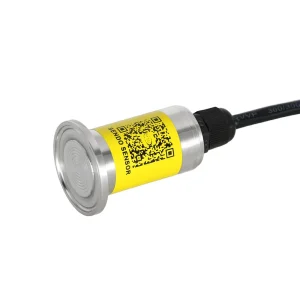
A sanitary pressure transducer is a device that measures the pressure of liquid and gas in the system. It is different from a standard pressure transducer because of its hygienic features.
It has hygienic construction, a flush diaphragm, and clean-in-place (CIP) or steam-in-place (SIP) compatibility. These pressure transducers are part of the food processing, pharmaceuticals, and other industries.
How does a sanitary pressure transducer work?

A sanitary pressure transducer has the exact working mechanism as a standard sensor. Here are five main steps.
- Step 1: Pressure Application. Gas or liquid applies pressure on the transducer’s flush diaphragm. It isolates the sensing element from direct contact.
- Step 2: Transmission Medium. A fluid transfers the pressure to the internal sensing elements.
- Step 3: Sensing Element. The internal element detects the pressure. Then, it converts it into an electrical signal.
- Step 4: Signal Conversion. Built-in electronics process the electrical signal.
- Step 5: Output Transmission. The signal is transmitted to a monitoring system or control unit for display.
Advantages of sanitary pressure transducers

A sanitary pressure transducer comes with accurate measurements. It has several other benefits related to your applications. We have added the key benefits below.
Hygienic Design
In the food industry, design matters a lot. Slight contamination can put all the work at risk. Even the customers remain at a higher risk.
Sanitary pressure transducers already have hygienic designs.
- Electropolished surfaces minimize microbial growth.
- No cavities or gaps, which don’t allow the collection of product residues.
- Materials like 316L stainless steel are resistant to corrosion and chemical reactions.
- Comply with 3-A Sanitary and EHEDG hygienic design standards.
Easy cleaning
Sanitary pressure transducers are specialized Clean-In-Place (CIP) and Steam-In-Place (SIP) tools. They allow easy cleaning and ensure the removal of contaminants with special processes. It keeps the system more hygienic and efficient. Here are a few features that promise easy cleaning.
- Can endure high temperatures up to 150°C (302°F) during sterilization.
- Resistant to chemical cleaning agents used in CIP systems.
- Hermetically sealed design protects internal electronics during cleaning.
- Saves time and reduces downtime since manual cleaning is unnecessary.
High accuracy
Accuracy gets the perfect results. In hygienic settings, there is no space for errors. Therefore, a highly accurate system means fewer errors.
A sanitary pressure transducer is highly accurate. It comes with features like:
- Advanced sensing elements provide precise readings.
- Maintains long-term stability even after frequent sterilization cycles.
- Reduces process variation, improving product consistency.
- Offers repeatable performance for both high and low-pressure ranges.
Long life
Pressure sensors are often made of premium materials. Their resistance to the moisture and temperature fluctuations further helps here.
- Constructed from high-grade 316L stainless steel and food-safe sealing materials.
- Resistant to corrosion
- Extended service life lowers replacement and maintenance costs.
Regulatory compliance
Regulatory compliance is essential in the industry. Your pressure sensor should comply with the following standards:
- 3-A Sanitary Standard 37-01 for hygienic design in food and dairy.
- FDA CFR 21 177.2600 compliance for material safety.
- EHEDG certification for cleanability and microbial resistance.
Factors to consider when choosing a sanitary pressure transducer
Choosing a sanitary pressure sensor is a bit tricky. You have to be careful when choosing. Here are a few selection tips.
Pressure Range
A pressure sensor should have accuracy. Choosing a wide range of pressure can help get a good deal. You should think of:
- The sensor’s rated range should cover the maximum operating pressure plus a safety margin (typically 1.5×).
- Low-pressure applications need sensitive sensors.
- High-pressure sterilization requires rugged designs.
- Overrange protection prevents sensor deformation in pressure spikes.
Temperature Range
Process temperature and cleaning temperature are two different ranges. Your pressure sensors should have both ranges.
- Choose models rated for up to 150°C (302°F) or higher.
- Check for resistance to thermal shocks during rapid temperature changes.
- Ensure the fill fluid and diaphragm materials remain stable during sterilization.
Wetted material
Pressure Sensor material is of prime importance. The reason is the hygiene. The material should be free of contaminants and must not react with them. Go for options:
- 316L stainless steel, Hastelloy, or titanium for aggressive media.
- Surface roughness should be Ra ≤ 0.4 µm for hygiene compliance.
- Ensure materials are FDA-approved.
- Avoid elastomers that degrade in high temperatures.
Process connection type
Process connection determines the connected components. In hygienic settings, it is more important. You have to consider the options like:
- Standard options like Tri-Clamp, DIN 11864, Varivent, and SMS fittings.
- Select a connection type that is compatible with your existing pipeline standard.
- Ensure the fitting provides a flush, crevice-free surface.
- Applications may require weld-in diaphragms.
Output Signals
Output Signals show off the reliable values. Compatible output is necessary for better monitoring and display systems.
There are two types of output signals. For example:
- Analog outputs: 4–20 mA, 0–5 V, or 0–10 V are standard.
- Digital outputs: HART, Modbus RTU, or IO-Link for smart factory integration.
Look out for these signals when choosing the right type of signals.
Accuracy and calibration
Accuracy means the perfect measurement with the least errors. You must choose calibrated pressure sensors with highly accurate systems.
Look for the options like:
- Typical accuracy levels range from ±0.1% to ±0.25%.
- Choose sensors with factory calibration.
- Go for zero drift and temperature compensation features.
- Schedule periodic calibration for critical processes.
Conclusion
A cross-platform sanitary pressure transducer is more than a pressure measurement tool. It ensures efficient food processing. Also, making hygiene a necessity.
Do you want to purchase the premium-quality dual-range pressure transducer device? Contact Sendo-sensor and grab the high-end sanitary pressure sensor device. You’ll get an affordable price and multiple options. Explore the right tools now!