

Pressure sensors have become mandatory equipment for different applications, right? They help detect the pressure inside the system. This way, they ensure the system remains in good working condition. The pressure sensors for wastewater and sewage systems are crucial. The reason is that they help detect the pressure inside the sewage system.
As a result, they provide an early warning of a blockage in the system. Various pressure sensors are used in wastewater and sewage systems. Remember, the right pressure sensors ensure smooth operation and better performance. In this article, I will discuss some popular options to help ensure the safety of sewage systems. So, let’s get started.
Overview of Pressure Sensors for Wastewater and Sewage Systems

As I said above, pressure sensors detect the exact pressure inside any system. Wastewater or sewage system pressure sensors are installed inside the sewage system. They have diaphragms that bend when pressure increases. The extent of this bending is recorded and then converted into electrical signals. This signal then displays the exact pressure reading on the screen.
If the pressure is too high, this means the sewage system is blocked somewhere. This gives the workers early warning, allowing them to remove the blockage. If the blockage is not removed, the pipelines can leak due to high pressure. It is worth noting that the pressure used in both wastewater and sewage systems is resistant to sludge and dirt.
This means they remain durable in the harshest conditions inside the sewage tanks or pipelines. In their construction, wastewater pressure sensors are perfectly sealed. All the components are protected inside it. Due to their sealing, these pressure sensors work well even at very high pressures. You’ll see these pressure sensors being used in the following:
- Treatment plants
- Wastewater tanks
- Drainage systems
- Underground sewage pipelines
Best Pressure Sensors for Wastewater & Sewage Systems
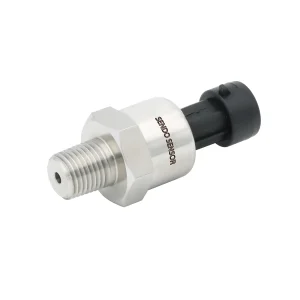
As you know, wastewater and sewage systems are very harsh environments for any equipment. But the pressure measurement here is also crucial for maintaining cleanliness. That’s why sensors in these systems must handle dirty water, sludge, chemicals, and pressure fluctuations. But not every pressure sensor can perform well here. There are specialized pressure sensors for these systems that I will discuss below.
1- Submersible Pressure Sensors
The first common pressure sensor in wastewater systems is the submersible pressure transducer. These sensors are fully submerged in the water or sewage tanks. After that, they measure the pressure of the liquid above them and convert it into a readable signal, usually 4–20 mA. The main reason for their usability here is that submersible pressure sensors are sealed and waterproof. So they can survive very well in dirty and wet conditions for long periods.
2- Differential Pressure Sensors
Differential pressure sensors measure the difference between two pressure points. Actually, sometimes, in the wastewater systems, there is a sudden blockage in the filters or pipes. Due to this blockage, the pressure difference increases. So the differential pressure sensors constantly monitor the pressure on the filters and pipes. If there is any blockage, the pressure difference will arise in that part, which the differential pressure sensors will detect.
3- Sealed Gauge Pressure Sensors
Sealed gauge pressure sensors are another type of sensor that comes with a fixed internal reference pressure. It means they are not affected by changes in outside air pressure. In certain wastewater systems, stable and reliable pressure readings are essential. But air pressure can interfere with the electrical signal, affecting accuracy. That’s where sealed gauges come into the scene. As they are completely sealed, air pressure cannot affect their internal reference pressure.
4- Stainless Steel Pressure Sensors
Sewage systems handle liquids containing chemicals, waste particles, and corrosive substances. In these conditions, standard pressure sensors cannot withstand these conditions. That’s why manufacturers design some sensors made of stainless steel. This material is known for its high corrosion resistance. So the stainless steel body of these pressure sensors protects the sensing element. This ensures accurate readings from these pressure sensors.
5- High-Temperature Pressure Sensors
In some wastewater and sewage processes, the liquid temperature can become very high. In industrial facilities, heated chemicals are released into the wastewater process. To cope with these high-heat conditions, high-temperature sensors are specifically designed. They are built with heat-resistant materials that do not melt. This allows them to measure pressure reliably without being affected by the heat.
How to Choose the Right Wastewater Pressure Sensors?
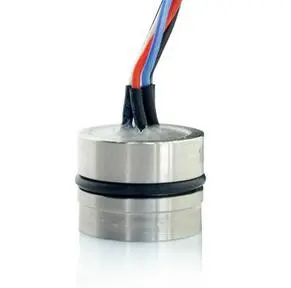
As you can see, there is a range of pressure sensors for wastewater systems. However, it does not mean that all of those are reliable for every system. They vary in design, durability, and pressure ranges. An incorrect sensor will fail quickly, provide incorrect readings, or increase maintenance costs. So, to make the right choice of pressure sensors, consider a few factors.
- Pressure Range: The first thing to consider is how much pressure your system will produce. Every Wastewater tank, pipe, and pump can have different pressure levels. So the sensors you choose must match that pressure level. If the sensor range is too low, it may get damaged.
- Sensor Material Quality: Wastewater contains dirt, chemicals, sludge, and sometimes corrosive substances. That’s why the pressure sensor must handle all these harsh conditions. Generally, sensors with stainless steel bodies are the most reliable for such environments.
- Waterproof & Protection Rating: Wastewater systems are constantly exposed to water and moisture. Therefore, the sensor you choose must have a high protection rating, such as IP68 or similar. This means the sensor is fully sealed and can survive underwater conditions.
- Output Signal Type: Pressure sensors come with different output signal types. But for wastewater systems, a pressure sensor with 4–20 mA output is reliable. It is stable and works well over long distances. It also reduces signal loss and interference in noisy environments.
- Cost & Affordability: Some pressure sensors lack advanced features and are cheaper. In contrast, some wastewater pressure sensors are more advanced and highly efficient. However, the cost of these pressure sensors is a bit high, which could be a drawback. You should consider pricing when choosing pressure sensors for wastewater and sewage systems.
Conclusion
As I said above, pressure sensors are widely used across different industries and applications. However, the wastewater or sewage pressure sensors are highly efficient and useful. They ensure the authorities know the exact pressure inside the wastewater or sewage system. If the pressure increases, it indicates that a blockage inside the pipelines requires immediate action.
There is a myth that a pressure sensor can also detect bacteria or other germs, which is wrong. Their sole role is to detect pressure within wastewater or sewage systems. Various pressure sensors are available for use in wastewater. In this article, I have discussed some popular pressure sensors used in sewage and wastewater systems.