

The use of hydrogen gas is becoming increasingly popular. In fact, it is considered an energy source and is stored in different systems. However, systems in which this gas is stored are under high pressure. That’s why the use of hydrogen pressure transducers has become necessary. This pressure-monitoring device enhances the system’s safety.
Hydrogen gas pressure can reach 700 bar in some cases. If not monitored, such high pressure can cause the system (storage tank or pipeline) to fail. In this article, I’ll discuss everything about hydrogen pressure transducers and their selection.
Overview of Hydrogen Pressure Transducer

Using a no-pressure transducer is like just asking for trouble. In simple terms, you use the system without knowing how much gas pressure is inside it. When pressure exceeds the limit, you have little time to react before an accident occurs.
A hydrogen pressure transducer is a sensing device that measures hydrogen pressure in a system. The working of this device is the same as for every pressure transducer. However, its functionality is limited to checking and monitoring hydrogen gas pressure only. It can be used in storage tanks and pipelines where hydrogen is stored or transported.
With this device, you can monitor hydrogen pressure. If pressure gets too high or too low, you can act accordingly to ensure the system’s safety. Are you confused about how these pressure-measuring devices work in hydrogen systems? These hydrogen pressure sensors come with a diaphragm, as in regular transducers.
This thin diaphragm is present inside the system (storage tank or pipeline). When the gas pressure inside the system increases, it causes a slight movement of the diaphragm. This diaphragm is connected to a pressure-measuring device known as a strain gauge. This gauge is also known as a piezoresistive sensor. It detects the slight diaphragm movement caused by a pressure change.
So, these piezoresistive sensors adjust their electrical resistance, producing an electrical signal. However, this electrical signal produced by the strain gauge is too small to be interpreted. The hydrogen sensors come with a built-in amplifier that amplifies this electrical signal. This signal is then sent to the display, where it is shown on the screen. Interestingly, the screen shows the exact pressure reading instead of a random signal.
How to Choose a Hydrogen Pressure Transducer?
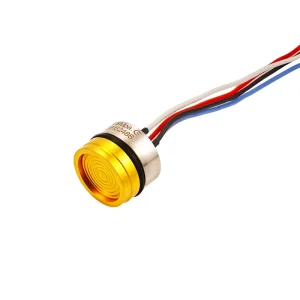
I know choosing a hydrogen pressure-measuring device can be difficult. Why? That’s because many factors influence the selection of these sensors. Let’s look at some key factors you must consider when choosing hydrogen pressure sensors.
1- Material Compatibility
First, you should choose a pressure transducer with compatible materials. Hydrogen’s high pressure can affect the integrity of the transducers. Stronger materials, such as stainless or Hastelloy, can withstand the harsh pressure with ease. Above all, these materials don’t become brittle under high hydrogen pressure. Hydrogen pressure sensor devices with stronger materials last longer.
2- Pressure Compatibility
Hydrogen gas can exert different pressures in different systems. The pressure range can vary from 300 to 800 bars. It is essential to choose the transducer that is actually compatible with a specific pressure range. Some pressure sensors are weaker and can be used in systems with a pressure rating of 300 bar. Using such sensors or transducers in a system rated at 700 bar won’t be a good idea.
3- Real-Time Pressure Sensing
Some low-quality pressure transducers lag in their performance. They don’t show the system’s real-time pressure. Instead, they measure the pressure and take time to show the reading on screen. I recommend choosing hydrogen pressure sensors that provide quick readings. In this way, you’ll know about real-time pressure in a system. This is even more crucial in systems where a slight pressure change can compromise safety.
4- Durability & Explosion-Proof Ratings
Hydrogen gas is not one of the safest gases available and is highly flammable. If exposed to a spark, this gas can cause an explosion. Therefore, it is mandatory to choose explosion-proof transducers. If the transducer works in harsh conditions, it is more reliable and gives you an accurate reading. Choosing a low-quality hydrogen pressure sensor is a bad idea and must be avoided in all cases.
5- Functionality at High Temperature Conditions
Hydrogen gas not only increases pressure but also temperature in a system. This temperature can cause the pressure transducer to fail. So, I strongly recommend using sensors that can resist higher temperatures and work accurately. In low-quality transducers, a temperature rise can cause a malfunction. This issue can be fatal if the pressure transducers are being used in high-pressure systems.
Applications of Hydrogen Pressure Transducers
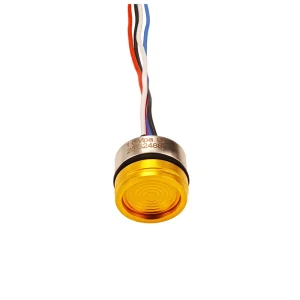
These pressure sensors are commonly used in applications involving hydrogen gas. Let’s discuss some of the most common use cases of these hydrogen pressure transmitters.
1- Hydrogen Fuel Cell Vehicles
Modern vehicles come with hydrogen fuel cells. In these cells, hydrogen gas reacts with oxygen to produce power (electricity) for running vehicles. In these vehicles, hydrogen gas is stored inside the system and runs through the pipelines during use. The hydrogen pressure transmitters are used in these cells to monitor the pressure. Remember, the pressure in these cells is high, so using the pressure-monitoring sensors is crucial for smooth operation.
2- Hydrogen Storage Tanks Monitoring
Hydrogen gas is stored in large tanks. This stored gas is later used for various applications. The hydrogen pressure inside these storage tanks is monitored using these transducers. They help operators know whether the pressure is constant or fluctuating. In the event of a pressure decrease, the team checks for any hydrogen gas leakage from the tanks. Simply put, the use of these sensors makes hydrogen storage safe.
3- Compressor Control System
Hydrogen gas undergoes compression before it can be stored in storage tanks. Heavy-duty compressors are used in this process. These compressors rely on the pressure transducers for their optimal performance. They check the gas pressure using these sensors during compression. If the pressure exceeds the limit, the compressors automatically stop compressing. This makes compressors work more efficiently.
4- Hydrogen Pipeline Transport
Hydrogen gas is transported through dedicated pipelines. The pressure inside the pipes must be maintained to ensure smooth flow. If pressure drops inside the pipe, it indicates potential leakage issues in these pipelines. The hydrogen pressure sensors are used in these pipelines to ensure smooth transportation of gas. Operators quickly respond when they notice a rapid increase or decrease in pipeline pressure.
5- Leak Detection Systems
Hydrogen gas leakage in any system can be disastrous. Right? This becomes even more critical in a system that requires precise hydrogen gas pressure. So, the use of pressure transducers helps detect such leakage of storage systems or supply lines. These transducers provide real-time pressure inside the system. If pressure drops quickly, the system and operators are alerted. As a result, operators can take measures and investigate potential leakage points. In this way, the issue of leakage can be addressed quickly, resulting in safer hydrogen gas storage.
Conclusion
Hydrogen pressure transducers are highly valuable across a wide range of systems. Not just in storage tanks, but these sensors also help in gas pipelines. However, you must choose the right hydrogen pressure sensor that meets your specific use case. In this article, you’ll learn about the key factors that will help you choose the right transducers. I also discussed the typical applications of these hydrogen-measuring devices.