

Pressure sensors are widely used in industries. They help calculate the fluid pressure acting on a specific surface within an area. Different types of pressure sensors differ in functionality. Among those, subsea pressure sensors are widely used for subsea applications.
These deep-sea pressure sensors are rugged and can withstand harsh pressure underwater. They help operators determine the exact pressure, making different marine operations safer. The offshore oil and gas industry primarily benefits from them. In this article, I’ll discuss everything about the subsea pressure sensors and their selection.
What are Subsea Pressure Sensors?

There are many oil reserves and marine life underwater, right? So companies conduct marine exploration, such as underwater oil and gas extraction. Without knowing the exact pressure, they may not be able to perform their operations. That’s where subsea pressure sensors come into play.
Subsea, or underwater, pressure sensors measure pressure at the bottom of the ocean. They operate reliably even at extreme depths of hundreds of meters in the sea. Best of all, these pressure sensors provide real-time, precise pressure readings at sea, in the ocean, or at underwater depths. With these sensors, marine operations and research can be conducted safely.
It is noteworthy that pressure increases as you go deeper into the sea. For every 10 meters of depth, the pressure increases by approximately 1 atmosphere (atm). Knowing the correct pressure at different underwater depths ensures the equipment’s safety. Are you wondering how these subsea or underwater pressure sensors work?
Their overall working principle is similar to that of regular pressure transducers. These subsea pressure sensors feature a thin ceramic diaphragm that plays a key role in their operation. This diaphragm bends underwater when subjected to a pressure change. The diaphragm is connected with a piezoelectric element. This element detects the movement of the ceramic diaphragm and produces electrical signals.
These signals, after amplification, are sent out to the control unit or screen. This interface processes the electrical signal and shows the exact pressure reading on the screen. The diaphragm can bend either less or more, depending on the pressure in the water body. If the diaphragm bends slightly, you’ll see a lower pressure reading on the screen and vice versa.
Guide to Depth Rating in Subsea Pressure Sensors

Depth rating is an essential parameter to consider when choosing subsea or submarine pressure sensors.
Depth rating indicates the maximum underwater depth at which a subsea sensor can work effectively. For example, a pressure sensor with a depth rating of 100 meters can operate only at 100 meters. Simply put, these sensors can withstand only 10 atm of pressure. Similarly, a subsea sensor with a depth rating of 1000 meters can operate at depths of 1000 meters (100 atm).
Every underwater pressure sensor has its specific depth rating. Remember, pressure increases as we go deeper into the ocean. So every sensor has the maximum pressure it can withstand. If used beyond that limit, the pressure sensors can be damaged by excessive pressure. The reason is that the sensor’s material cannot withstand such pressure.
A subsea pressure sensor with a 100-meter depth rating won’t survive at a depth of 150 meters. When you’re buying subsea pressure sensors, it is essential to choose one with the right depth rating. What’s a good depth rating in pressure sensors? It depends on how deep you’ll use your sensors in the water. Suppose you’ll use a sensor at 100 meters depth; buying one with a depth rating of 200 meters will be suitable.
Materials of Subsea Pressure Sensors
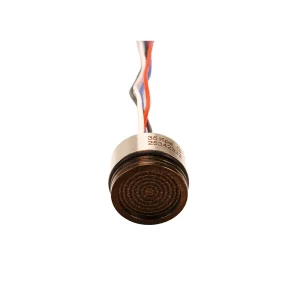
As I said, subsea sensors remain exposed to extreme pressure at depths. If they are not strong, they may fail to function and give precise pressure readings. In fact, sensors made of low-quality materials can deteriorate in high-pressure conditions. So, which material should be preferred when choosing underwater pressure sensors?
Various materials are used to make pressure sensors. Some of those materials are not strong, but are available at a low price. However, I recommend using the following materials for subsea pressure sensors:
- Titanium
- Stainless steel (316)
- Ceramic material with coatings
Titanium is one of the strongest materials used to make these pressure sensors. This material can withstand extreme underwater pressure and be used at extreme depths. You should prefer sensors made of titanium, although they may be a bit more expensive. Stainless steel is corrosion-resistant, offering excellent performance when used in pressure sensors.
How to Choose the Right Subsea Pressure Sensors?
Low-quality pressure sensors not only give incorrect pressure readings but can also be damaged by high pressure. Therefore, it is crucial to choose the pressure sensors that offer both performance and durability. Let’s discuss some key factors that would help you choose reliable subsea pressure sensors.
1- Depth Rating
The primary factor to consider is the depth rating of the sensors. Every marine operation has different depth rating requirements. Some operations are conducted deeper in the ocean, at depths of over 800 meters. On the other hand, some research-related operations in the marine sector occur at shallow depths. You should choose pressure sensors with the appropriate depth rating for your specific use case. It’s better to choose a subsea pressure sensor with a safety margin above your maximum operating depth.
2- Pressure Range & Real-Time Performance
You’ll see pressure sensors with different pressure ratings. Some can withstand 10 atm of pressure, while others are rated for over 100 atm. You should carefully choose sensors that meet the pressure of your specific use case. Some low-quality subsea pressure sensors may lag in delivering real-time pressure readings. I recommend selecting sensors that provide real-time pressure while being underwater.
3- Durability & Longevity
Pressure in the ocean increases as you go deeper – as mentioned above. It means the underwater pressure sensors will experience greater force at greater depths. So you should choose the right materials for the sensor that could survive in these harsh conditions. Choosing stronger materials also ensures the longevity of the subsea sensors. The pressure sensors made of titanium offer exceptional durability even at high depths.
4- Precision & Accuracy
The margin for error is extremely small in marine or underwater operations. Slightly higher pressure can result in damage to equipment or failure. Therefore, it is critical to look for subsea sensors that provide precise pressure readings. This way, you’ll be able to better decide about the safety of your operations. If the pressure gets too high, you can pull back and avoid going deeper.
5- Temperature Range and Sealing
The temperature underwater is very low. In fact, the temperature keeps decreasing as you go deeper into the ocean. Therefore, the subsea pressure sensors must be rated for such low temperatures. If not compatible with low temperatures, the sensor will malfunction. You must check the sensor’s sealing when buying. Ideally, IP68-rated sensors are best, even under extreme pressure at ocean depths.
Conclusion
Subsea pressure sensors are essential for many offshore and deep-sea operations. Oil and gas companies use them during their offshore extraction operations. They help in knowing the exact pressure reading underwater. This way, the companies can continue working at depth and ensure the safety of equipment. In this article, I discussed everything about the subsea pressure sensors. The precise working of these sensors ensures safety. Therefore, you should never choose low-quality subsea sensors for the sake of saving money.