

Drones have become very useful in many fields. They help take pictures, inspect buildings, and explore hard-to-reach places. However, flying these drones at height is not easy. A sudden gust of air or change in air pressure can greatly affect their stability and movement. This is even harder for very small flying vehicles called Micro Air Vehicles (MAVs). Thus, to ensure their stability in the air, piezoresistive sensors come into play. But how tiny piezoresistive sensors boost drone & MAV flight stability? If this question confuses you, worry not! In this guide, I will discuss everything about piezoresistive sensors and how they maintain stability. So let’s get started.
What Are Tiny Piezoresistive Sensors?

Let’s first understand what tiny piezoresistive sensors are.
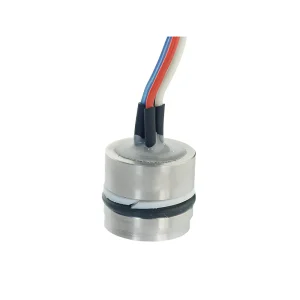
Tiny piezoresistive sensors are small sensing devices that detect changes in pressure or force. They measure changes in their electrical resistance when pressure or force is applied. They then convert these changes into electrical signals that a controller can read. In drones, these sensors help measure air pressure.
What makes these sensors special is their small size and lightweight design. So they can fit into small devices like drones and MAVs. Lightweight is also important in such devices. If a sensor is too heavy, it will affect a drone’s flight at higher altitudes. Moreover, these sensors are designed to respond quickly. They can detect even small pressure changes and report them to the control system quickly.
That’s the reason piezoresistive pressure transducers are used in many fields. For example, cars, industrial machines, and aircraft all rely on these sensors to measure pressure changes. But piezoresistive sensors are made for different tasks in different applications. In machines, they measure pressure; however, in aircraft, they monitor pressure. That’s why their accuracy and measuring range vary from design to design.
How Do Piezoresistive Sensors Work?
The working principle of the пьезорезистивные датчики давления is very simple. They work by turning changes in pressure or force into electrical signals. But all this happens step by step. How? Actually, these sensors have three main parts. The first is a thin diaphragm, along with a sensing element and an electronic circuit.
Each part has a distinct job that helps the sensor detect pressure changes. The diaphragm is a thin, flexible surface inside the sensor. When pressure acts on it, the diaphragm bends slightly. Let’s take the drone as an example. When it flies, the air around it creates pressure that the pressure sensor detects. As the pressure changes, the diaphragm bends more or less.
This diaphragm movement is usually too small to see with the naked eye. However, it is enough for the sensor to detect a change. This diaphragm turns pressure into a small physical movement that the sensor can measure. Now, here is where the piezoresistive part comes in. Special materials called piezoresistive elements are attached to the sensing structure.
When the diaphragm bends, these elements experience a small amount of stress. The stress changes their electrical resistance. This means they allow the electrical current to flow differently. Now the electrical circuit measures this change and converts it into an electrical signal. This electrical signal basically represents the pressure. Once the signal is ready, the drone’s control system reads it and uses it for different tasks.
How Tiny Piezoresistive Sensors Improve Flight Stability of Drones and MAVs?
There is no doubt that drones and MAVs need a powerful motor for their flight. However, they also need accurate information about height, movement, and the air around them. Some of this information is provided by the piezoresistive sensors. These sensors detect changes in air pressure, helping the drone maintain stable flight. Let’s discuss how these tiny sensors actually help with this.
1- Helping the Drone Maintain Its Altitude
Altitude means how high a drone is above the ground. Basically, sometimes a drone or MAV needs to stay at a certain height for different purposes, like taking pictures. It must not move down or up from that height. A piezoresistive sensor helps maintain that altitude. How? At altitude, air pressure decreases, and vice versa.
If the drone tries to move up or down from the target height, the air pressure around it changes. This change in pressure is measured by the piezoresistive sensor. It sends the measured change readings to the drone’s control system. The control system then acts to help the drone maintain its target altitude.
2- Detecting Changes in Airflow
When flying at height, wind is the biggest risk to flight stability. Wind gusts can affect movement and push the drone away from the target area. In that case, the piezoresistive sensor detects airflow changes. When a strong gust of wind hits the drone from the side, it changes the air pressure around it.
This pressure change is quickly detected by the piezoresistive sensor. It then sends that pressure information to the control system. The control system decides how the drone should adjust its movement to remain stable against the wind. But remember, not every piezoresistive sensor can measure airflow directly. The sensor must be designed for this purpose.
3- Supporting Faster Responses to Disturbances
When a drone or MAV is flying, things do not always go as planned. A sudden gust of wind can push it sideways, or changes in the surrounding air can affect its movement. These unexpected changes are called disturbances. Without a system to respond to those disturbances, a drone might fall. That’s where piezoresistive sensors play their role. They first detect the change in the air pressure around the drone.
Even small changes in air pressure are detected. If the pressure or air becomes too high, like in a storm, the sensor also sends those measurements to the control system. The control system then decides how the aircraft should respond. For example, it might adjust the power supplied to the motor to correct unwanted drone movement in the wind. This way, these sensors help the drone respond quickly and stay stable.
4- Improving Control in Small MAVs
Micro Air Vehicles (MAVs) are very small flying aircraft. They are mainly used to inspect narrow spaces, study the environment, or reach places where larger drones cannot easily fit. However, building them to be small and lightweight is a major challenge for engineers. Adding heavy sensors increases weight, which can affect their flight.
Still, pressure measurement is crucial at altitude. Pressure sensing helps estimate altitude and airflow. That’s why engineers prefer piezoresistive sensors. Their compact design allows engineers to add pressure-sensing features without taking up space.
5- Helping Improve Flight Control Algorithms
A drone and MAV always follow a set of instructions that tell it how to fly. These instructions help them change direction or make necessary adjustments. However, these instructions are managed by a flight control algorithm. It is the drone’s or MAV’s decision-making system that improves flight. It recovers information from different sensors accordingly.
However, it works accurately only when it receives accurate information. A piezoresistive sensor helps this control algorithm take action. It provides information about changes in air pressure. When the algorithm receives the right data, it decides what a drone should do to maintain its stability. Engineers also use sensor readings to improve how a drone responds to different conditions.
Suppose engineers are building a drone and want it to stay at the same height, even when the wind blows. To do this, they test the drone, and the piezoresistive sensor helps them collect the data. By looking at the sensor readings, they can understand what happened and improve the control system.
Common Applications of Tiny Piezoresistive Sensors in Drones and MAVs

Tiny piezoresistive sensors are useful in different ways. Their use depends on the drone or MAV’s design and needs. Their primary job is to measure pressure changes. However, this information supports a range of drone and MAV applications. They help measure air pressure, study airflow, and collect information during flight tests. Engineers also use this information to improve control-system design. Let’s look at the common applications of piezoresistive sensors in this table.
| Application | Purpose |
| Altitude Monitoring | Tracks pressure changes. |
| Airflow Measurement | Detects airflow changes. |
| Flight Testing | Measures flight conditions. |
| MAV Research | Tests small aircraft performance. |
| Flight Control Development | Improves control systems. |
| Aerodynamic Studies | Measures air pressure around aircraft. |
How to Choose the Right Piezoresistive Sensor for Drone and MAV
Piezoresistive sensors come in many types. Some are made to measure air pressure, while others are designed for different types of pressure or force. That’s why not every type is suitable for drones and MAVs. So, before you choose a sensor for your drone or MAV, consider these factors.
- Measurement Range: Every sensor has a limit to how much pressure or force it can measure. So the first thing you should consider is the sensor’s measurement range. If a drone needs to measure very small pressure changes, choose a sensor that can handle them. If the pressure falls outside the sensor’s measuring range, the readings will no longer be reliable.
- Accuracy & Sensitivity: A drone needs useful information to make good decisions, right? That’s where accuracy and sensitivity become important. Accuracy means how close the sensor’s reading is to the actual value. Sensitivity means how well it can detect small changes in pressure or force. So choose a sensor with an accuracy range that lets the control system take action.
- Size & Weight: Drones and MAVs have limited space. That’s why sensor size matters a lot. If you choose sensors that are too heavy or large, they will add weight and take up more space. All of this can affect the drone’s flight performance. So always prioritize lightweight and small sensors.
- Response Speed: Some changes during flight happen very quickly. For example, a sudden gust of wind changes the air around a drone in a short time. If the sensor takes too long to detect the change, the control system receives the information too late to be useful. So make sure the sensor you choose has quick response ability.
- Power Consumption: A drone depends on its battery to keep all its parts running. If the electronic system uses too much power, less energy remains for flight. So make sure the piezoresistive sensor is energy efficient so that it uses less energy.
Заключение
Keeping a drone steady in the air is not easy. Wind, changes in air pressure, and sudden movements can all affect its flight. This is where tiny piezoresistive sensors come in. In this guide, I have discussed what these sensors are and how they work. They measure changes in pressure or force and provide useful information about a drone’s control system. This system uses that information to make better decisions. They also come in lightweight, small sizes, which is a major priority for drones and MAVs.