

Measuring pressure is a critical task in many industrial systems. These systems use highly precise devices for this purpose, known as pressure transducers. But all of those devices use a miniature flush diaphragm, which is the most important part. It comes into direct contact with water or other harsh liquids. That’s where material selection for this diaphragm becomes important. Two common options are titanium alloy and 316L stainless steel. But the question is: titanium alloy vs 316L stainless steel—which one truly stands out for a miniature flush diaphragm? Feeling confused? Worry not! In this guide, I will compare both materials head-to-head. So let’s get started.
What Is a Miniature Flush Diaphragm?
Before we proceed with the material selection, let’s first understand what a miniature flush diaphragm is.
A miniature flush diaphragm is a small, thin membrane that senses pressure in a system. It separates the measuring parts from the fluid or gas being measured. The diaphragm moves slightly when pressure changes. This movement is then used to measure or monitor pressure changes.
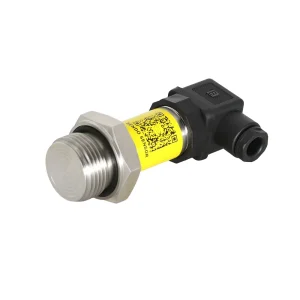
The word flush is important here. It describes how the diaphragm sits inside the pressure measuring device. Actually, its surface stays almost level with the surrounding surface. There are no deep pockets or narrow spaces where any fluid can get trapped. This makes it useful for handling dirty fluids, since dirt has nowhere to collect.
It also makes the part easier to clean. Similarly, the word miniature means this diaphragm is very small. But being small does not limit its job. In fact, a tiny diaphragm responds well to very small pressure changes and detects them quickly.
Titanium Alloy vs 316L Stainless Steel Sensor: Key Differences
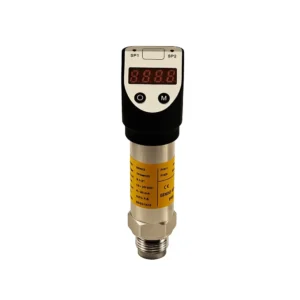
Now you have a basic idea about miniature flush diaphragms. Right? As I said above, they come into direct contact with corrosive liquid, so ordinary materials aren’t enough. Therefore, manufacturers mainly consider titanium and 316L stainless steel. Both are corrosion-resistant but perform differently. So let’s compare these two materials factor by factor and see which is the best.
1- Corrosion Resistance & Chemical Exposure
The first thing that separates titanium alloy and 316L stainless steel is their ability to resist corrosion. As I said above, a miniature flush pressure sensor works in a harsh environment. So manufacturers worry about corrosion. Basically, in this regard, titanium alloy stands out. Why? When titanium comes into contact with air or moisture, it quickly forms a very thin oxide layer on its surface.
This layer acts as a protective skin that stops the material underneath from being attacked easily. Even if it later gets damaged, it reforms. On the flip side, 316L stainless steel is also corrosion-resistant, but in a different way. It has a higher chromium content, which forms the oxide layer in moisture and air. However, this layer isn’t self-repairing, and harsh chemicals like chlorides can create holes in it. This reduces its corrosion resistance in more corrosive environments.
2- Mechanical Strength & Pressure Handling
A miniature diaphragm must handle high pressure. When pressure rises, the thin metal membrane bends slightly. The sensor uses that movement to detect pressure. But the material used to form the diaphragm must handle this pressure without breaking. 316L stainless steel has good mechanical strength and can handle stress under normal conditions.
However, this strength adds weight, which can limit its use in some diaphragms where lightweight matters. On the other hand, titanium has high mechanical strength and, at the same time, is lightweight. It does not bend easily or break under high pressure.
3- Weight & Strength-to-Weight Ratio

Another factor is weight, which shows a clear difference between 316L stainless steel and titanium. As the miniature flush diaphragm is only a few millimeters in size, its weight matters a lot. Titanium alloy is much lighter than 316L stainless steel. Titanium has a density of roughly 4.5 g/cm³, whereas 316L is around 8.0 g/cm. So, for a similar volume, a titanium part weighs close to half as much. Not only that, but titanium also gives a very good strength-to-weight ratio.
This means it provides high strength without adding much mass. This is useful when the diaphragm has to stay thin and strong at the same time. On the other hand, stainless steel is much heavier due to its higher density. So if it provides strength, it also adds weight. But that does not mean its weight is a problem in every pressure sensor. For some large and fixed sensors, stainless steel is a better choice.
4- Temperature Resistance & Thermal Stability
Temperature puts extra stress on a miniature flush diaphragm. As temperature rises, the metal expands. When it goes down, the metal contracts. If this happens repeatedly, the diaphragm changes shape or responds differently to pressure. So it must remain stable under such temperature fluctuations. In this term, 316L stainless steel is slightly compromised. How?
No doubt, it is thermally resistant, but only within normal temperature ranges. At much higher temperatures, 316L gradually loses some of its strength. It expands and contracts when temperatures get too low or too high. In contrast, titanium remains thermally stable. It does not expand or contract too much with changing temperature. That means the miniature flush diaphragm stays more stable.
5- Fatigue Resistance & Long-Term Durability
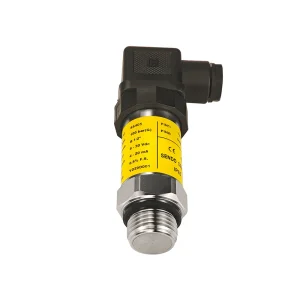
Fatigue is basically about how well a metal survives repeated stress. During pressure-sensing operation, pressure rises and falls repeatedly. As a result, the miniature flush diaphragm flexes, so the material must withstand that fatigue. Titanium alloy is a strong option for this kind of repeated work. It has good fatigue strength, which means it handles many cycles of loading and unloading without failing.
Its strong corrosion resistance adds to its benefits. A titanium diaphragm that stays clean and free from serious corrosion is less likely to develop weak spots during flex. Right? So it remains durable for the long term. Conversely, 316L stainless steel also has fatigue resistance, but to a limited extent. If the surrounding is highly corrosive, it starts losing its fatigue resistance quickly. For example, chloride-rich fluids cause small surface pits. These tiny damaged areas become stress points when the diaphragm keeps flexing.
6- Manufacturing & Machining Requirements
The two materials also behave very differently when you cut, shape, drill, or finish them. 316L stainless steel is generally easier to manufacture. The reason is that it has been familiar to manufacturers for centuries. So you can machine and fabricate it using common metalworking methods and machines. It also gives manufacturers more flexibility when changing the diaphragm design.
However, titanium needs more care during machining. It has low thermal conductivity, which means heat does not move away from the cutting area as easily. More heat therefore builds up around the cutting tool. Titanium also reacts strongly with the tool and workpiece. As a result, manufacturers need special cutting tools, suitable speeds and feeds, good cooling, and control. All this makes the titanium flush diaphragm manufacturing costly and complex.
7- Surface Finish & Passivation
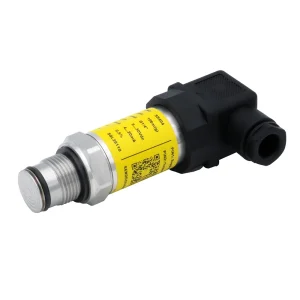
The material surface matters a lot for miniature flush diaphragms. If there are small scratches, rough areas, or tiny defects, they can affect how the diaphragm reacts with chemicals. So that’s another area where titanium and 316L stainless steel differ. 316L stainless steel needs proper passivation to achieve its best corrosion performance. Passivation removes free iron and other unwanted material left behind during manufacturing.
After this treatment, chromium at the surface is able to form a protective passive layer. A good surface finish is also crucial for stainless steel to make this protection more reliable. In contrast, titanium has an interesting advantage here. It naturally forms a very stable oxide layer. The layer develops quickly when fresh titanium meets oxygen and acts as a protective barrier. It also rebuilds itself when the surface is exposed to oxygen after minor damage. This gives titanium strong natural protection, so you don’t need to rely on the same type of chemical passivation.
8- Welding & Fabrication
During diaphragm manufacturing, you sometimes need to join parts. That’s where easy welding becomes important. In this regard, 316L stainless steel is beneficial. As I said above, it has been used in fabrication for many years. So manufacturers are very familiar with its welding, forming, and joining methods. They can use common welding techniques to join different parts.
There is also no risk of any unwanted reaction or need for protection. However, titanium is more sensitive during welding. The hot titanium can react with oxygen, nitrogen, and other gases in the air. If the weld area is not properly protected, the metal may even become contaminated and lose some of its useful properties. Because of this, titanium welding needs careful shielding and cleaner working conditions. The equipment and skill level required are also higher.
9- Service Life & Maintenance Requirements
Now, let’s look at service life and maintenance needs, where the two metals differ. As you know, a miniature flush diaphragm stays in contact with the process fluid. Over the years, its material faces chemicals, moisture, pressure changes, and temperature changes. If it corrodes or weakens, its pressure response can change. So service life matters when choosing the material. Titanium alloy is a strong choice when the diaphragm must operate in a very harsh environment.
It naturally forms a protective layer on its surface. This layer helps it resist many corrosive fluids very well. This protection stays effective for a long time and regenerates if it gets damaged. This means titanium also needs less attention over its service life. On the other hand, 316L stainless steel is also durable and works for many years. But it is practical when the fluid is not extremely aggressive. If there are strong chemicals or high levels of chlorides, it will cause corrosion. If that happens, the small diaphragm needs closer, regular inspection or earlier replacement.
10- Cost & Material Availability
Lastly, cost is a factor that can affect the choice between stainless steel and titanium for a flush diaphragm. If the industry needs to make a large number of such diaphragms, 316L stainless is much easier on the budget. The reason lies in its easier manufacturing process. It is also readily available, which further reduces its cost.
Titanium alloy is normally more expensive. The first reason is that its raw material costs more. Secondly, working with titanium also takes more time and care. Its machining and fabrication requirements increase the final production cost. Finding the exact titanium grade, thickness, or form for a small diaphragm also takes more effort. All these factors directly make titanium more expensive.
Destaque rápido: No doubt titanium costs more, but it makes sensors suitable for the right application. If the miniature flush diaphragm will face very aggressive chemicals, titanium is better. Its better corrosion resistance helps reduce early replacement and maintenance costs. So it becomes cost-effective in the long run. In that case, paying more upfront is reasonable if it helps the part last longer.
Conclusion: Titanium Alloy vs 316L Stainless Steel: Which One Is The Best for a Miniature Flush Diaphragm?
The choice between titanium and 316L stainless steel depends on where the miniature flush diaphragm will be used.
For a miniature flush diaphragm in a highly corrosive environment, titanium alloy is the stronger choice. It performs well when corrosion resistance and long service life are the main goals. It handles aggressive fluids very well and offers a strong strength-to-weight ratio. 316L stainless steel is the more practical choice when the environment is less severe, and cost matters more.
In this guide, I have discussed their strengths and weaknesses. So the final choice mainly depends on the diaphragm’s working environment. Titanium is known for its resistance to corrosion and many other harsh chemicals. It forms an oxide layer that acts as a safety shield against such chemicals. It is also useful when the design needs a strong but lightweight material. However, the downside is its higher price and more difficult manufacturing.
316L, on the other hand, is easier to source, machine, weld, and replace. It still resists corrosion from common chemicals and is mechanically strong. It performs very well in many sensores de pressão industrial without the extra cost of titanium. That’s why the best approach is to look at the whole application, not just one material property. Consider the fluid type, chemical concentration, temperature, diaphragm size, and manufacturing cost.