

Introduction
Pressure measurements are always critical tasks. A slight measurement error can lead to major failures. Especially when discussing the pressure-sensing features in HVAC systems, several components are involved. Air, water, or gas pressure is essential for maintaining and establishing a high-performance system.
On the other hand, an incorrect pressure sensor selection can cause inaccurate measurements and sudden failures in systems. Today, we will explore pressure sensors for HVAC systems and learn several tips for evaluating them.
Why is it Necessary to choose a Pressure Sensor for an HVAC System?
Modern HVAC systems can’t compromise on the wrong pressure measurements. There is a need for accuracy in measurements and expected results.
The common applications of the HVAC systems are:
- Refrigerant pressure monitoring
- Air duct pressure measurement
- Filter clog detection
- Fan control
- Pump pressure monitoring
- Boiler pressure control
- Chiller optimization
- Variable Air Volume (VAV) systems
- Cleanroom pressure monitoring
- Building automation systems (BMS)
Without real-time measurements, the HVAC system can’t achieve high efficiency.

Tip #1: Identify the Applications First
HVAC systems have different components and applications. Before selecting your pressure sensors, know the exact applications in your HVAC system. As each system has a different pressure range, understanding each application is always crucial.
| HVAC Application | Pressure Type | Typical Pressure Range |
|---|---|---|
| Air ducts | Differential Pressure | 0–250 Pa |
| Air filters | Differential Pressure | 0–1000 Pa |
| Refrigerant lines | Gauge Pressure | 0–50 bar |
| Water circulation | Gauge Pressure | 0–16 bar |
| Chillers | High Pressure | 0–40 bar |
| Boilers | Gauge Pressure | 0–25 bar |
| Cleanrooms | Very Low Differential | ±50 Pa |
| Variable Air Volume systems | Differential Pressure | 0–500 Pa |
Tip #2: Choose Correct Pressure Measurement Types
There are several measurement options, but three are the most important. Here is the list.
Jauge
Gauge Pressure Sensors are ideal for HVAC systems. They measure pressure by comparing it with changes in atmospheric pressure.
The typical applications of the gauge pressure sensors are:
- Refrigeration systems
- Boilers
- Water pumps
- Hydraulic HVAC equipment
Absolute
Absolute pressure sensors measure pressure relative to a perfect vacuum.
The applications of such pressure sensors are:
- Refrigerant diagnostics
- Altitude compensation
- Vacuum systems
- Laboratory HVAC equipment
Différentiel
Differential pressure sensors operate by measuring the pressure difference between the two sites. Here are a few applications for such sensors.
- Surveillance du filtre à air
- Fan performance
- Mesure du débit d'air
- Building pressure control
- Duct pressure monitoring
Tip #3: Select the Appropriate Pressure Range
An appropriate pressure range is essential for seamless measurements and accurate functionality.
Here are a few things to keep in mind.
Undersized
In undersized cases, the pressure measurement ranges are lower than required. Suppose an example requires a pressure range of 18 bar for the HVAC system.
Ab undersized systems will have pressure measurements of 0-17 bar or less. The risks are failures in accurate pressure measurements.
Oversized
Contrary to undersizing, there is an oversizing of the pressure measurement ranges. Suppose an example of 18 bar pressure measurements.
If you buy a system with a pressure range of 0-100, it is highly oversized. The disadvantage is inaccurate measurements due to the higher operating ranges.
Right Sized
So, what will the right-sized pressure sensor for 18 be? The right operating range should be 0-30 bar. The advantages of the right-sized pressure sensors are:
- Accurate pressure measurements
- Safe operations and reduced risks of failure.
- High efficiency of the measurement system.
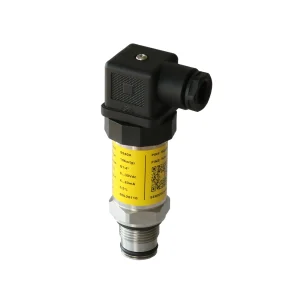
Tip #4: Understand Working Fluid
For which fluid or pressure factor will you measure the pressure ranges? The following pressure factors can be present.
Air
It is one of the most significant components used in HVAC systems. The locations where it is used are:
- Ventilation systems
- Duct monitoring
- Air balancing
Pressure Sensor requirements are:
- Low-pressure sensing
- Dust resistance
Refrigerants
There come the refrigerants. They are also crucial components of the HVAC systems. The common examples of refrigerants include:
- R410A
- R32
- R134a
- R1234yf
- R454B
Typical requirements for the pressure sensors in such locations are:
- Corrosion-resistant materials
- High-pressure capability
- Refrigerant compatibility
Water
Water can be an integral component like air. It has a few points where it is used in the HVAC system. Here are a few examples.
- Chillers
- Cooling towers
- Heating systems
The requirements for the water pressure sensors are:
- Stainless steel wetted parts
- Moisture resistance
Steam
Steam is also found in different areas of the HVAC system. The common examples are:
- Boilers
- Industrial heating
The typical requirements for the steam are:
- High-temperature protection
- Pressure snubbers
- Isolation diaphragms
Tip #5: Consider Operating Temperature
The operating temperature should be in the range. It helps to understand the necessary measurements.
| HVAC Location | Typical Temperature |
|---|---|
| Air ducts | -20°C to 70°C |
| Refrigerant lines | -40°C to 125°C |
| Boilers | Up to 150°C |
| Outdoor equipment | -40°C to 85°C |
| Chillers | -20°C to 100°C |
Check the operating temperatures of the different components, then compare them with the sensor. Make sure the sensor’s operating temperature exceeds the system’s maximum temperature.
Tip #6: Check Accuracy Levels
Remember, high system accuracy means you have to pay more. In HVAC systems, you must understand how much accuracy you need. Buy the sensors based on your accuracy requirements.
| Application | Recommended Accuracy |
|---|---|
| Residential HVAC | ±1% FS |
| Commercial HVAC | ±0.5% FS |
| Chiller systems | ±0.25% FS |
| Building automation | ±0.5% FS |
| Laboratory HVAC | ±0.1% FS |
Tip #7: Select Suitable Materials
A suitable material ensures sustainability under the given HVAC conditions. There is a range of materials with different features. For example:
| Matériau | Typical HVAC Use |
|---|---|
| Stainless steel | Refrigeration, boilers |
| Laiton | Water systems |
| Aluminum | Air pressure sensors |
| Céramique | Corrosion-resistant applications |
Tip #8: Check Environmental Protection Ratings
Environmental factors can accelerate the deterioration of pressure sensors. For example:
- Poussière
- Corrosion
- Exposition à des produits chimiques
- Harsh weather conditions
- Temperature Fluctuations
For environmental protection, you must have quality components with IP-rated protection.
| IP Rating | Suitable Environment |
|---|---|
| IP54 | Indoor HVAC equipment |
| IP65 | Mechanical rooms |
| IP67 | Outdoor equipment |
| IP68 | Wet environments |
Tip #9: Consider Response Time
Some HVAC applications require a fast response.
Examples include:
- Compressor protection
- Fan speed control
- Variable refrigerant flow systems
- Safety shutdowns
Typical response times:
- General HVAC: 50–100 ms
- Refrigeration control: <20 ms
- High-speed industrial HVAC: <10 ms
Conclusion
When choosing a pressure sensor for an HVAC system, you must know the various types and understand the ratings. Ensure your pressure sensors are highly accurate and provide reliable readings. The ideal sensor system should suit the required applications and measure accurate values.
If you are looking for high-quality sensor systems, contact Capteur Sendo. We have manufactured one of the most famous capteurs de pression industriels and know your requirements. You’ll get premium-quality pressure sensors at affordable prices!!