

Sensors are used daily in chemical and desalination plants. Such sensors must operate under harsh conditions.
They face pressure, chemicals, and saltwater. Over time, these factors can adversely affect some sensor materials.
Today, ceramic sensors are used in many harsh environments. They are fairly resistant to saltwater and strong chemicals. [1][3]
Hastelloy is another popular product. It suits many chemical applications. [3]
This article discusses what ceramic sensors are and what Hastelloy is. It explains the reason some industries rely on ceramic sensors for challenging applications.
Key Highlights:
- Ceramic sensors can handle chemicals, saltwater, and challenging industrial environments.
- Ceramic suits chemical applications, while Hastelloy suits seawater applications.
- Ceramic sensors can reduce damage, replacement, and repair over time.
- Ceramic sensors can be used in desalination plants for stable process monitoring.
- The right sensor material depends on the chemicals, pressure, and working environment.
Why Are Ceramic Sensors Becoming a Better Choice for Chemical and Seawater Applications?

In chemical plants, sensors must endure for a long time. They must provide accurate readings under challenging conditions.
Today, many sectors are seeking sensor materials that can withstand damage. Because of their excellent properties, ceramic materials are increasingly being used. [1][2]
Ceramic sensors are suitable for use with chemicals and salt water. They can also maintain consistent readings for extended use.
Hastelloy can still be employed in many applications. However, ceramic sensors can be beneficial in certain areas.
The right material is dependent on the work environment. Sensor performance varies depending on several factors, such as chemicals, pressure, and temperature. [3]
Selecting the right sensor material is important, especially for chemical plants and desalination systems. It can help minimize failures and repairs over time. [9]
The Challenges of Using Sensors in Chemical Plants and Desalination Plants
These plants have sensors that operate in challenging environments. Each day, they deal with chemicals, salt water, and pressure.
Some sensors may suffer from these conditions. This can lead to inaccurate readings and more frequent repairs.
1) Contact with Strong Chemicals and Saltwater
Chemical plants use strong liquids in everyday tasks. These liquids can damage sensor parts over time.
Saltwater is also a problem for desalination plants. Many materials are unsuitable for use with salt. [3][8]
Sensors require robust materials to function. Ceramic sensors can handle many of these challenging conditions. [1]
2) Sensor Damage and Frequent Repairs
Over time, sensors can weaken. This could impact their reading.
Replacing sensors can be costly and can halt plant operations. Businesses require longer-lasting sensors.
Ceramic materials are hard, wear-resistant, and tough. This can extend sensor life. [1][2]
3) Getting Correct Readings in Difficult Areas
Plants require sensors to provide accurate information. Incorrect readings can cause safety and process issues.
Sensors must operate under pressure and temperature variations. They must also withstand chemicals and salt water.
They can be made of ceramic or Hastelloy. The best choice depends on plant conditions. [3][11]
Ceramic Sensors vs. Hastelloy: Understanding the Key Material Differences
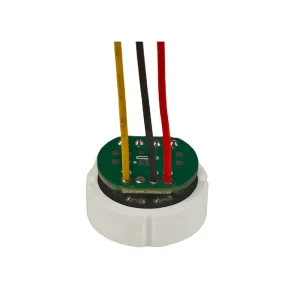
In chemical plants, selecting the right sensor material matters. If you don’t pick the right one, you could face damage and replacement issues.
Both Ceramic and Hastelloy possess good properties. But they differ in chemical and seawater conditions.
1) Corrosion Resistance and Performance in Aggressive Environments
Strong acids and liquids are used frequently in chemical plants. Over time, saltwater can damage many materials.
The ceramic sensor can resist many chemical effects. Unlike many metal parts, they don’t rust. [1][3]
Hastelloy is a nickel alloy. It is also suitable for many corrosive chemicals. [3]
The best choice depends on the working area. Either ceramic sensors or metal alloys may suit some plants.
2) Long-Term Stability Under Continuous Operation
Industrial sensors are usually required to operate for many hours. They must withstand pressure, heat, and chemical contact.
Ceramic materials are hard and can withstand wear. This helps sensors last longer in challenging locations. [1][2]
Hastelloy also provides good strength. Its toughness makes it popular in chemical equipment. [3]
Either material may be effective. The right choice depends on the plant’s process and operating conditions.
3) Cost Efficiency and Maintenance Requirements
Replacing sensors can increase plant costs. Often, repairs can also delay work.
In certain applications, ceramic sensors can help minimize the need for repairs. They are very durable and can last longer. [1]
Hastelloy performs well but is typically more costly. Ultimately, the decision depends on the specific work environment and the available budget.
Businesses should consider the overall long-term cost. A longer-lasting sensor could reduce future replacement expenses.
Material Properties Comparison — Ceramic vs. Hastelloy.
| Property | Ceramic Materials (Alumina/Zirconia) | Hastelloy Alloy |
| Material type | Non-metallic ceramic compound | Nickel-based metal alloy |
| Hardness (HV) | 1,200–2,000 HV | 200–300 HV |
| Chemical resistance | Very high resistance to acids, salts, and solvents | High resistance, but depends on chemical type |
| Chloride resistance | Excellent stability in salt environments | Good, but chloride attack can occur under certain conditions |
| Operating temperature range | Up to 1,000°C+ (depending on ceramic type) | Around 500–1,000°C depending on alloy grade |
| Wear resistance | Very high | Moderate |
| Electrical insulation | Excellent | Conductive |
| Common applications | Pressure sensors, chemical sensors, desalination systems | Chemical reactors, piping, heat exchangers |
Why Ceramic Sensors Are Suitable for Seawater Desalination Systems
Desalination plants operate on large quantities of seawater. These plants need sensors that can withstand salt, pressure, and everyday wear and tear.
Ceramic sensors perform well in these areas. They are highly material-oriented and can handle challenging plant conditions.
1) Resistance to Saltwater Corrosion and Chemical Exposure
Many metal components exposed to saltwater deteriorate over time. It is a common problem with desalination systems.
Ceramic materials are not readily affected by many chemicals. They can also withstand damage from saltwater exposure. [1][3]
This makes ceramic sensors suitable for seawater systems. They can work in locations where other materials may fail sooner.
2) Reliable Performance in Pressure and Process Monitoring Applications
The desalination plants require sensors to monitor pressure and other process values. Accurate readings ensure safe plant operation.
During plant operation, ceramic sensors can withstand pressure changes. They can deliver reliable readings in numerous industrial applications. [11]
Their rugged surface lets them operate in harsh environments. This makes them suitable for use in water treatment systems.
3) Reduced Downtime Through Improved Sensor Life
Sensor failure can bring a plant to a halt. Repair and replacement time and costs can be considerable.
Ceramic sensors last longer in environments with salt and chemicals. This can help to minimize the need for frequent sensor replacements. [1][2]
Longer sensor life means longer operation with fewer interruptions. It can also help with regular maintenance.
Benefits of Choosing Ceramic Sensors in the Chemical Industry
Chemical plants require sensors that can operate in challenging locations. A suitable sensor material can improve day-to-day plant operations.
Because they can withstand harsh conditions, ceramic sensors are widely used. They help reduce chemical wear and the need for frequent replacements.
1) Better Accuracy and Stable Readings
Accurate sensor readings are a must for chemical plants. Incorrect readings can disrupt the process and create safety risks.
Regular use of ceramic sensors can provide stable readings. They are durable and will perform well in varied conditions. [11]
This helps operators get better information from the system. This helps manage plant processes better.
2) Better Protection Against Chemical Damage and Wear
Over time, chemicals can damage sensor parts. Certain materials may weaken after long-term exposure.
Ceramic materials can withstand many chemical effects. They also possess good hardness and wear resistance. [1][2]
This makes ceramic sensors more suitable for situations where damage is a concern. They may also extend sensor life.
3) Lower Replacement and Running Costs
Frequent sensor changes can increase plant costs. Repair work can also be time-consuming and resource-intensive.
In challenging environments, ceramic sensors can operate for extended periods. This can help minimize the need for regular replacement. [1]
The longer the sensor life, the lower the long-term cost. It can also prevent unnecessary plant shutdowns.
When Should Industries Consider Ceramic Sensors Instead of Hastelloy?
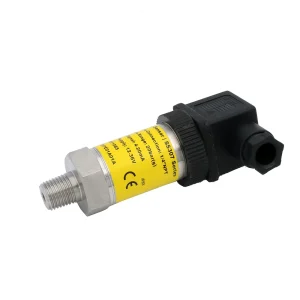
The choice between ceramic sensors and Hastelloy depends on the operating environment. Materials vary in their properties.
Consider the sensor material based on the chemicals and temperature. A good selection can prevent premature damage and reduce repair needs.
1) When Chemical Contact Is the Main Concern
Some plants deal with harsh chemicals daily. Many materials will be affected by these chemicals over time.
In these areas, ceramic sensors might be a good choice. They can withstand a variety of chemicals and can work longer. [1][3]
2) When Saltwater Is Present
Desalination plants face constant contact with saltwater. Many metal parts are prone to salt damage over long use.
Ceramic sensors can work well in these conditions. Their materials help protect them from saltwater damage. [8]
3) When Low Maintenance Is Important
Some plants cannot be serviced frequently. They require parts that can operate for extended periods.
In some applications, ceramic sensors can help to minimize the need for frequent replacement. This saves time and reduces repair work. [1][2]
4) When Hastelloy May Still Be the Better Choice
Hastelloy remains useful in many chemical applications. Has good resistance to many corrosive liquids. [3]
Some plants may need metal sensors to meet process requirements. However, the final selection depends on the working conditions.
FAQs:
1) Why Are Ceramic Sensors Preferred for Corrosive Environments?
Many strong chemicals and saltwater conditions can be used with ceramic sensors. Their material helps protect them over time. [1][3]
They can be used in situations where metal components may wear faster. This may help plants decrease sensor issues.
2) Are Ceramic Sensors More Durable Than Hastelloy Sensors?
Both materials can work well in certain areas. The ideal choice depends on the plant conditions.
Ceramic materials are hard and wear-resistant. Hastelloy is a highly resistant alloy, suitable for many corrosive chemicals. [2][3]
Companies should select materials based on their requirements.
3) Can Ceramic Sensors Be Used in Seawater Desalination Plants?
Yes, Ceramic sensors can be used in desalination systems. They can withstand seawater and various chemical conditions. [8]
These sensors can monitor plant processes. They are suitable for regions where corrosion is a concern.
4) What Makes Hastelloy Less Suitable for Certain Chemical Applications?
Hastelloy is a strong material used in many chemical plants. But it may not be ideal for every application.
Some applications may require a material that needs less frequent replacement. The choice depends on the chemicals used and the operating conditions. [3]
5) How Do Ceramic Sensors Reduce Maintenance Costs?
In certain harsh environments, ceramic sensors can last longer. This can help to minimize the need for frequent changes. [1]
Fewer replacements mean less work and less downtime. This helps plants maintain business as usual.
Final Thoughts!
Difficult conditions require tough sensors in chemical plants and desalination systems. Saltwater, chemicals, and pressure can affect sensor life.
For these applications, ceramic sensors are a good choice. They can withstand harsh conditions and help minimize the need for repairs. [1][3]
Hastelloy is still useful for many chemical applications. The optimum sensor material depends on the plant conditions. Select materials based on process needs and company requirements.
Contact us to discuss application needs for مستشعر ضغط السيراميك solutions. We will work out the best solution for your system.
References:
- Barsoum MW. “Fundamentals of Ceramics.” Institute of Physics Publishing. 2003.
- Callister WD, Rethwisch DG. “Materials Science and Engineering: An Introduction.” 10th Edition. Wiley. 2018.
- Revie RW “Corrosion and Corrosion Control: An Introduction to Corrosion Science and Engineering.”
- Davis JR. “Corrosion: Understanding the Basics.”
- Fontana MG. “Corrosion Engineering.” 3rd Edition. McGraw-Hill. 1986.
- Kutz M. “Handbook of Environmental Degradation of Materials.” 3rd Edition. William Andrew Publishing. 2018.
- The Corrosion Resistance of Nickel-Based Alloys in Chemical Processing Environments.
- International Desalination Association (IDA). “Desalination Technology and Materials for Seawater Applications.” International Desalination Association.
- Fritzmann C, Löwenberg J, Wintgens T, Melin T. “State-of-the-Art of Reverse Osmosis Desalination.” Desalination. 2007;216(1–3):1–76. DOI: 10.1016/j.desal.2006.03.012.
- Ceramic Sensors: A mini-review of their applications
- Fraden J. “Handbook of Modern Sensors: Physics, Designs, and Applications.” 5th Edition. Springer. 2016.
- Ceramic Sensors: Principles, Types, and Applications